


Why Golenavitasu exists

Golenavitasu exists to help remote workers and freelancers replace scattered days and constant context switching with steady, sustainable progress.

Golenavitasu was created for people who work from their kitchen table, spare room, or coworking desk and want structure without turning their life into a rigid schedule. Instead of pushing hustle culture or complex productivity hacks, we focus on practical routines, boundaries, and tools that fit real homes, real teams, and real energy levels. Every guide, checklist, and framework is written for remote workers and freelancers who want to stay organized, protect their time, and still log off with a clear mind.

Realistic weekly planning

Learn how to design a weekly rhythm that balances deep work, meetings, and home responsibilities without relying on unrealistic time blocks or perfect days.

Calm digital organization

Discover simple systems to keep files, tasks, and notes under control so you spend less time searching and more time finishing the work that matters.

Deep work in real homes

Use practical templates to plan deep work sessions, reduce distractions, and create focus even if you share your space with family, pets, or housemates.

Clear, kind boundaries

Set boundaries with clients, colleagues, and yourself so remote work does not quietly expand into every evening, weekend, and spare moment.

Sustainable daily rhythm

Experiment with daily check-ins, shutdown routines, and realistic breaks that help you protect your energy instead of chasing constant output.

Systems that adapt

Apply our simple review prompts to adjust your systems over time, so your workflow grows with your projects instead of locking you into one method.

Make remote work feel sustainable again today

If you are ready to stop reacting to endless pings and start working on your terms, take the next step today and put a calmer, more focused routine in place.

Start now

The story behind our methods

How a messy transition to working from home turned into a practical framework for remote productivity that continues to evolve.
  1. From office desk to home office wake-up

    In the early days, our founder Lena shifted suddenly from a lively office to a small apartment workspace. She tried to copy office habits at home, filling her calendar with back-to-back video calls and answering messages late into the evening. Productivity apps multiplied, but her sense of progress faded. That period exposed a simple truth: remote work needed different rhythms, not just digital versions of office routines, and sparked the first experiments that would later shape Golenavitasu.

  2. Experimenting with new rhythms

    As months passed, Lena began quietly testing changes with her teams. They shortened recurring meetings, added shared written updates, and blocked small windows of deep work during overlapping hours. Instead of obsessing over hours online, they agreed on clearer outcomes and realistic deadlines. These experiments reduced confusion and made it easier for people to log off on time. The patterns that worked repeatedly were collected in notes, checklists, and small frameworks that slowly formed the backbone of Golenavitasu.

  3. Turning scattered notes into Golenavitasu

    Colleagues, friends, and freelancers started asking for the templates Lena used with her teams. What began as informal document sharing turned into a growing library of guides tailored to real constraints like small flats, family schedules, and shifting client work. Recognizing that many resources still assumed traditional offices, Lena decided to bring the material together under one name. Golenavitasu was created as a focused space for remote workers who wanted structure without strict rules that ignore daily life.

  4. Building and refining our framework

    With Golenavitasu taking shape, Marco and Sara joined to deepen the methods. Marco refined the workflows so they were easier to adapt to different roles, while Sara focused on communication practices that made remote collaboration less draining. Together, the team kept testing ideas with real users, adjusting language, and trimming anything that felt theoretical. The result is a living framework that continues to evolve, always centered on sustainable productivity for people who work away from traditional offices.

Values that shape every guide, checklist, and framework on Golenavitasu

Our mission in practice

Our mission is to help remote workers and freelancers create steady, sustainable progress without sacrificing their health, relationships, or curiosity about life outside work. Instead of pushing rigid rules or dramatic promises, we offer practical routines and tools that respect your responsibilities, energy levels, and personal goals. We design everything on Golenavitasu so you can experiment, keep what works, and adapt the rest as your projects and seasons change.

Our long-term vision

Our vision is a world where remote work feels like a stable, humane way to build a career, not a constant test of endurance. We imagine home offices, coworking spaces, and shared tables where people can focus deeply, communicate clearly, and still close the day with enough energy for the rest of their life. Golenavitasu aims to contribute to that future by offering grounded, adaptable resources that help individuals and teams design remote setups they can sustain for years, not just survive for a season.

Wellbeing before output

We believe your systems should support your wellbeing instead of demanding constant willpower. That means building in breaks, realistic workloads, and honest check-ins with yourself and your collaborators. Rather than treating exhaustion as a sign that you should try harder, we see it as important feedback that something in your setup needs adjusting. This value runs through our templates, language, and examples, which all encourage you to protect your energy as carefully as your deadlines.

Flexible structure that adapts

Remote work gives you flexibility, but only if your routines can bend without breaking. We design frameworks that can scale up during busy periods and scale down when life demands more attention elsewhere. Instead of insisting on perfect adherence, we highlight minimum viable habits you can maintain even on difficult days. This focus on adaptability makes it easier to return to your systems after disruptions rather than abandoning them entirely.

Trust and clear expectations

Trust is central to healthy remote work, both with yourself and with others. Our content encourages clear agreements, transparent expectations, and thoughtful communication instead of constant monitoring or hidden pressure to stay online. We favour shared visibility over surveillance and aim to help you build working relationships where progress is measured by meaningful outcomes, not by how quickly you respond to every notification.

Curious, honest experimentation

We see productivity as a set of ongoing experiments, not a fixed identity. On Golenavitasu you will find prompts and reviews that invite you to test small changes, notice what actually helps, and let go of methods that do not fit. This mindset reduces guilt when a system stops working and replaces it with curiosity. By treating your routines as evolving prototypes, you can keep improving how you work without chasing the latest trend or rigid method.

remote worker focused at calm home workspace

Outcome focus

Picture a day where your calendar looks busy, your chat apps are full, yet you end the afternoon unsure what you actually finished. Many remote workers live in that gap between effort and outcomes. At Golenavitasu, we treat hours as raw material, not the goal. We design systems that help you define a small number of meaningful outcomes first, then shape your tasks, tools, and communication around those. The aim is not to squeeze in more activity but to create a clear path from attention to completed work you are proud of.

Deep work

Working from home often means constant interruptions: deliveries, messages, laundry, and meetings all compete for your focus. Traditional office productivity tips rarely account for this. Our approach is built around deep work that fits real life, using short, well-defined focus blocks, clear start and stop rituals, and honest communication with your team. Instead of pretending distractions do not exist, we help you plan for them, protect key hours, and recover quickly when your attention is pulled away.

Boundaries and rest

Remote work blurs the line between your job and everything else, which can quietly drain your energy even when you enjoy your projects. Many systems treat rest as a reward after the work is done; we see it as a core part of getting good work done in the first place. That means scheduling breaks, building shutdown routines, and respecting personal boundaries as seriously as deadlines. We encourage experiments, reflection, and small adjustments so your setup supports your health, not just your output.

The small remote-first team behind Golenavitasu and our practical productivity frameworks

founder of Golenavitasu working at a bright home desk with laptop and notebook

Lena Hart remote work strategist and writer

Founder and lead remote work strategist

Lena started Golenavitasu after years of leading distributed product teams across several time zones. She saw talented people worn down by constant pings, shifting priorities, and home offices that never really closed. Instead of chasing elaborate systems, she began experimenting with small routines: shorter, focused work blocks, clearer expectations, and honest conversations about capacity. At Golenavitasu she shapes the overall approach, writes many of the guides, and tests every framework with real remote workers before it appears on the site. Her focus is always the same: help people do thoughtful work without sacrificing their health or home life.

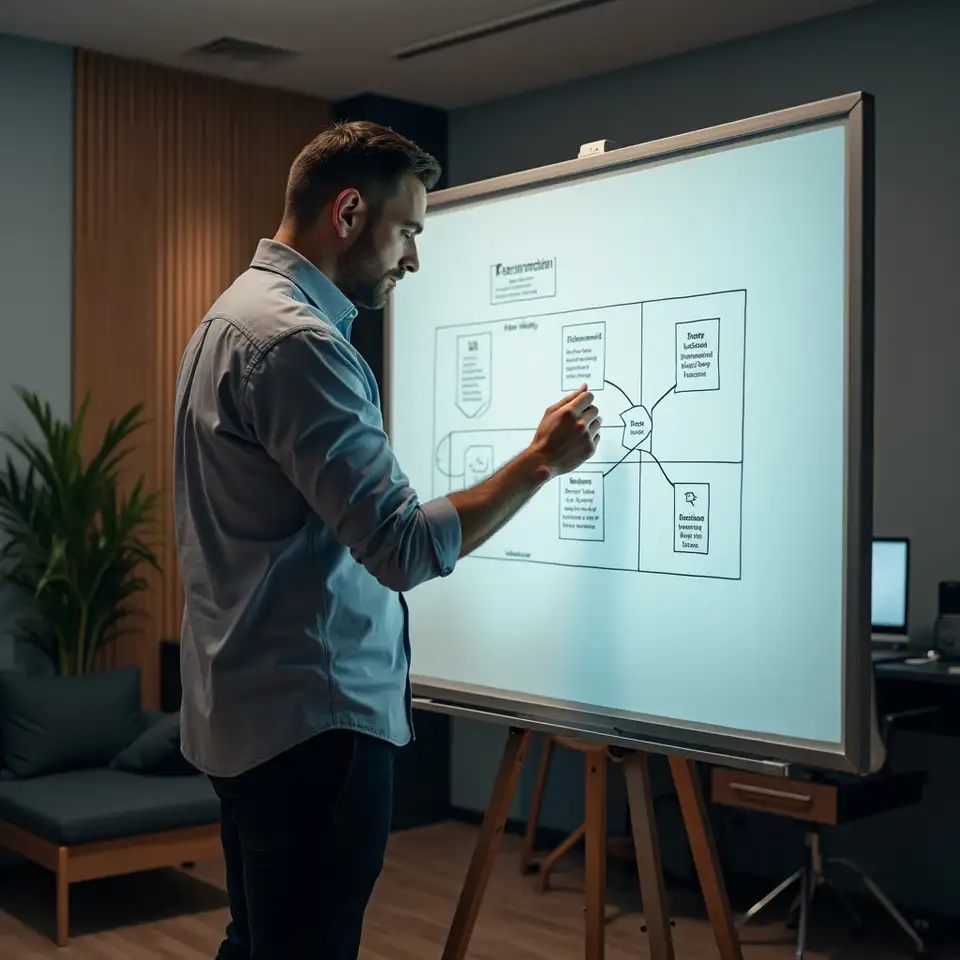
workflow specialist sketching a simple task system on a whiteboard in a home office

Marco Ruiz systems and workflow designer

Operations lead and workflow specialist

Marco joined Golenavitasu after supporting freelancers and small teams who felt buried under tools and half-finished systems. With a background in operations and project coordination, he is skilled at turning messy to-do lists and scattered notes into simple, visual workflows people actually use. At Golenavitasu he maps typical remote days, designs checklists and templates, and translates broad ideas into clear steps. He pays close attention to how different personalities and roles approach structure, so the frameworks stay flexible instead of forcing everyone into one rigid style.

remote communication specialist smiling during a video call from a tidy home workspace

Sara Nguyen remote collaboration specialist

Remote communication and collaboration lead

Sara came to Golenavitasu after working with distributed teams that spanned continents and cultures. She saw how unclear communication and poorly designed meetings drained people who were otherwise motivated and capable. At Golenavitasu she focuses on collaboration habits: writing sample agendas, shaping message guidelines, and helping teams agree on when to use calls versus written updates. Her work ensures that our advice does not just help individuals focus, but also supports healthier expectations across teams so remote workers are not quietly expected to be available at every hour.

How we think about remote work and sustainable productivity

remote work strategist writing notes in a calm home office
Remote work is not about proving you are always online; it is about being trusted to deliver thoughtful work without burning out your attention or your home life. When I started managing distributed teams, I copied office habits into video calls and chat threads, and everyone felt busier but less effective. Golenavitasu exists because we needed a different approach: fewer tools, clearer expectations, and routines that respect how humans actually focus. When you design your day around attention, not constant availability, you get space to do meaningful work and still close the laptop with energy left for the rest of your life.
Lena Hart Founder, remote lead
About Lena

Lena founded Golenavitasu after years of juggling distributed teams, late-night calls, and a home office that never seemed to close. She now focuses on helping remote workers design realistic routines that protect both attention and wellbeing, drawing on her background in project leadership and people operations.

Why this matters

Many productivity systems promise massive change if you follow strict rules. Golenavitasu is built instead on small, repeatable habits that respect your energy, your responsibilities, and your actual job.

01
Many remote workers try to fix overload by adding yet another app or template. That can help in the short term, but it often becomes one more thing to manage. At Golenavitasu we start with what you already use, map your actual day, and then remove friction instead of layering new complexity. The goal is a workflow that survives real interruptions, shifting priorities, and the occasional messy week without collapsing into chaos.
Read insight

Marco focuses on helping independent professionals translate scattered ideas into simple workflows they can maintain during busy seasons.

02

Traditional advice often treats meetings and messages as distractions you should simply avoid. In real distributed teams, communication is part of the work. Our approach at Golenavitasu is to make that communication deliberate: clearer agendas, smaller groups, and written updates where possible. Instead of fighting every notification, we help you create shared norms so your team knows when to respond quickly and when deep focus is respected.

See more

Sara brings experience supporting remote teams across time zones, with a focus on communication habits and meeting design.

03

Working from home can quietly amplify stress because there is no physical boundary between your tasks and your personal life. Many people respond by stretching their day longer, hoping to finally feel caught up. At Golenavitasu we treat rest, movement, and social contact as practical tools, not luxuries. Small habits like a consistent shutdown ritual, a short walk before and after work, and honest check-ins with peers can make your workload feel manageable again.

View note

Jonas works on routines that support mental wellbeing for people who spend most of their day working alone from home.